Branding in Cafés and Restaurants through Custom-Made Textiles
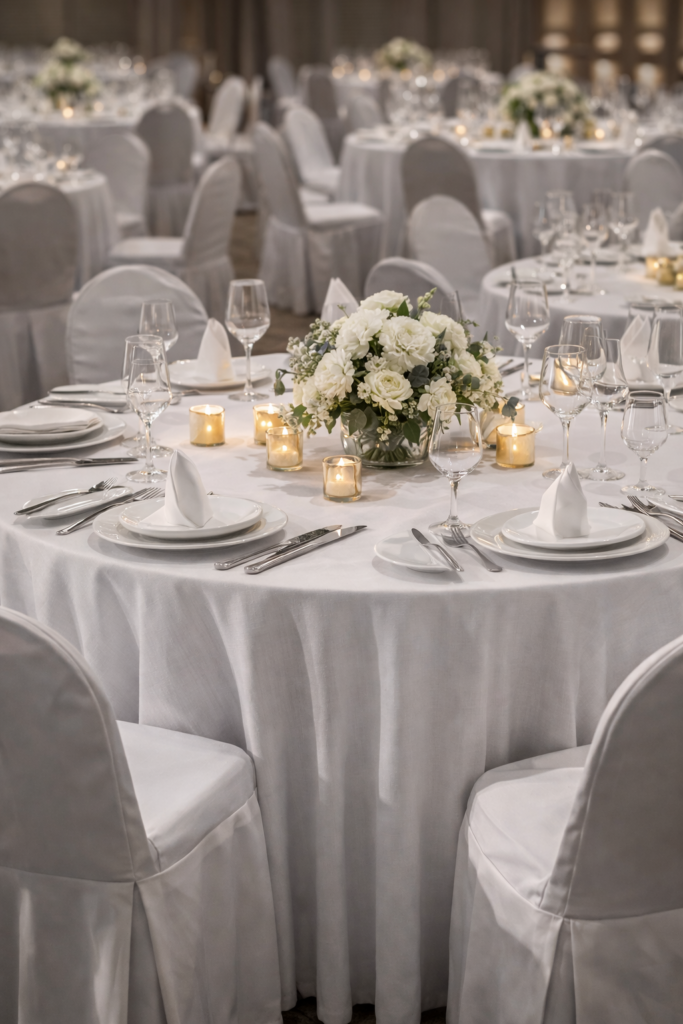
In restaurant or cafe management, the first physical contact your guest makes with the venue is the tablecloth he touches when he sits on the chair or the apron of the barista who takes his order. Most businesses view these details as a standard “purchase” item in the operational opening rush. Yet corporate textiles are the most powerful brand ambassadors whispering the story of your space.
In our opinion, a tablecloth or employee apron is not a simple decoration detail, but a secret marketing weapon that manages your operational speed and brand perception. Deciding solely on price is the biggest and most costly mistake made in this regard.
Why Isn’t Corporate Textile a Simple Decoration Decision?
A textile infrastructure produced specifically for your space is a direct cost and time management tool beyond aesthetics.
- Perception Management: Guests feel confident about hygiene and quality when they see textile products that are clean, draped and carry the logo of the place with stylish embroidery.
- Operational Speed: Service speed increases thanks to innovative fabric structures with stain resistance; Staff do not waste time during table changes.
- Depreciation: Quality production based on high temperature and heavy chemical washes divides your textile renewal (re-purchase) budget into years.
Choosing a Color Palette and Texture to Suit the Spirit of the Place
One Fine-Dining the weight of the restaurant and the energy of a third-generation coffee shop cannot be reflected in the same fabric. While standard wholesalers only offer you catalog colors, Nnovatex‘in 25 years of engineering staff analyzes the lighting and concept of the space.
The most common situation we encounter on the field is that the wrong shade of white (raw white) is chosen in places with warm yellow lighting and the fabric looks cheap. Broken white, ecru or anthracite tones should be woven with thread types that will match the ambience of the environment.
The First Impression Left on Logo Embroidered Products
Your logo on staff clothing, barista aprons or custom chef jackets is your brand’s signature. However, the embroidery process requires mastery.
- Hit Frequency: In cheap productions, logo embroidery is done with a low thread stroke, losing its form or being removed in the first wash. High density embroidery is used in special production.
- Color Fastness: The corporate color of your logo should not fade in industrial washing, giving color to the bottom fabric.
- Posture and Positioning: The weight of the embroidery on the fabric should be calculated and it should be ensured that the apron or tablecloth does not shrink (pot) the fabric.
The most common mistake in practice: Embroidery of the logo with very large and shiny threads paints a complex and tiring image rather than a sophisticated look. Minimalist, correctly sized embroideries always feel more “premium”.
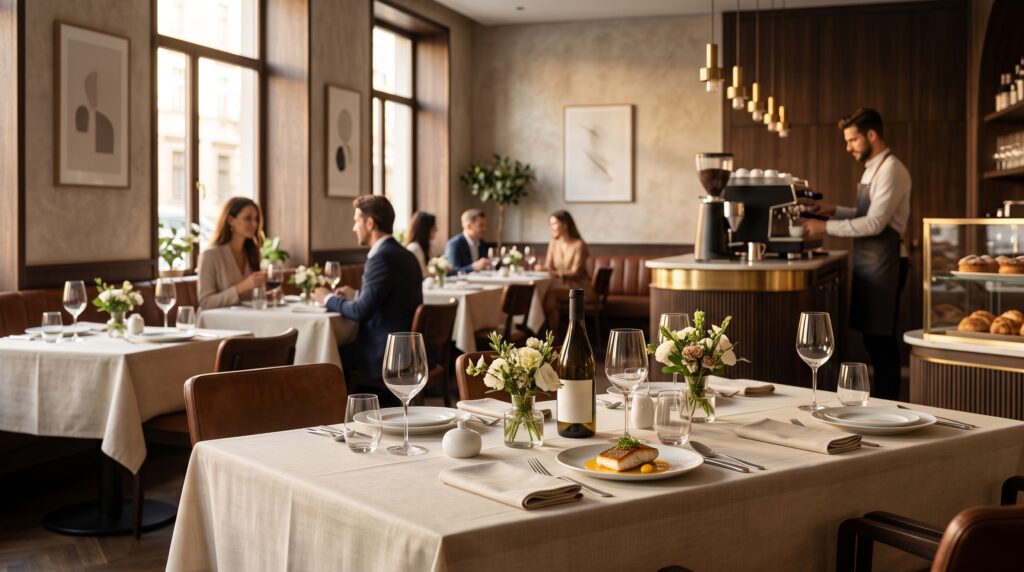
This article may interest you. Stain-Resistant Tablecloths for Restaurants: A Wholesale Buying Guide
Facts from the Field: Industrial Washing Resistance and Operational Costs
Affordable textiles from traditional suppliers show their true colors when they enter the laundromat, even though they may seem profitable on paper. Aggressive chemicals used in industrial laundry processes, temperatures up to 90 degrees and press irons quickly break down the fibers of standard fabrics.
According to our 25 years of engineering experience, products that do not have the right yarn mixture (e.g. ideal homogeneity of cotton-polyester) and pre-production sanforizing (draw resistance adjustment of the fabric) become unusable in the 10th washing.
| Criterion | Standard Ready Textile | Nnovatex Engineering Solutions |
| Investment Cost | Low | Optimum |
| Pull/Loss of Form | High risk (Frequent pots) | Minimum (Special tests before production) |
| Stain Resistance | Permanent stain adhesion on the thread | Fast cleaning with innovative surface technology |
| Refresh Frequency | Average 3-5 Months | Years of Use |
| Total Operating Cost (ROI) | VERY HIGH in the long run | VERY LOW in the long run |
One of Our Customers’ Experiences
“They made their 25 years of engineering experience felt in supplying special size tablecloths and fabric napkins for our restaurant from the first meeting. Our service speed has increased thanks to innovative fabric structures with stain resistance. Despite being washed hundreds of times, there is no deterioration in the seams and casting of the products.”
— Zeynep K., Fine-Dining Restaurant Manager
Nnovatex Difference: Checklist on Purchasing
If you’re opening a new business or renovating your existing restaurant’s textile line, have this technical checklist (checklist) with you when you sit down with your supplier:
- [ ] Your fabrics pilling has (pilling) resistance been documented?
- [ ] Is there a guarantee of color fastness in embroidery threads against chlorine and high heat?
- [ ] Are tablecloths sewn according to the size of your table, calculating the edge sagging castings?
- [ ] Can fast additional production be made in the same color and texture when you need it in the future “flexible supply”?
Misconceptions:Only 100% cotton products are of the best quality. Wrong! Although pure cotton offers high comfort, it creates industrial ironing difficulties and quick wrinkling problems in heavily circulated commercial areas such as restaurants. As Nnovatex, we apply the most accurate cotton-polyester engineering according to the area of use.
Frequently Asked Questions (FAQ)
Which fabrics should be preferred in cafe and restaurant textile products?
Stain-resistant cotton/polyester blends for tablecloths; For personnel aprons, breathable but friction-resistant gabardine or canvas-derived fabrics should be preferred. Grammage should be determined according to the needs of the place.
Is flexible production possible for tablecloth and napkin orders with logo?
Yes. As Nnovatex, we keep up with the pace of modern trade and instantly adapt to the changing order and deadline demands of businesses, from boutique cafes to large banquet organizations, with our flexible production track.
What does industrial wash-resistant fabric mean?
When exposed to high heat, steam press and heavy stain remover chemicals in professional laundries used by hotels or restaurants; They are special woven fabrics that do not shrink, do not throw stitches and maintain their color.
You can immediately meet with Nnovatex experts to transform the textile needs of your business from a standard mold into a permanent brand identity with our 25 years of engineering experience. [Let’s Choose the Right Fabric for Your Project Together – Contact Us]